
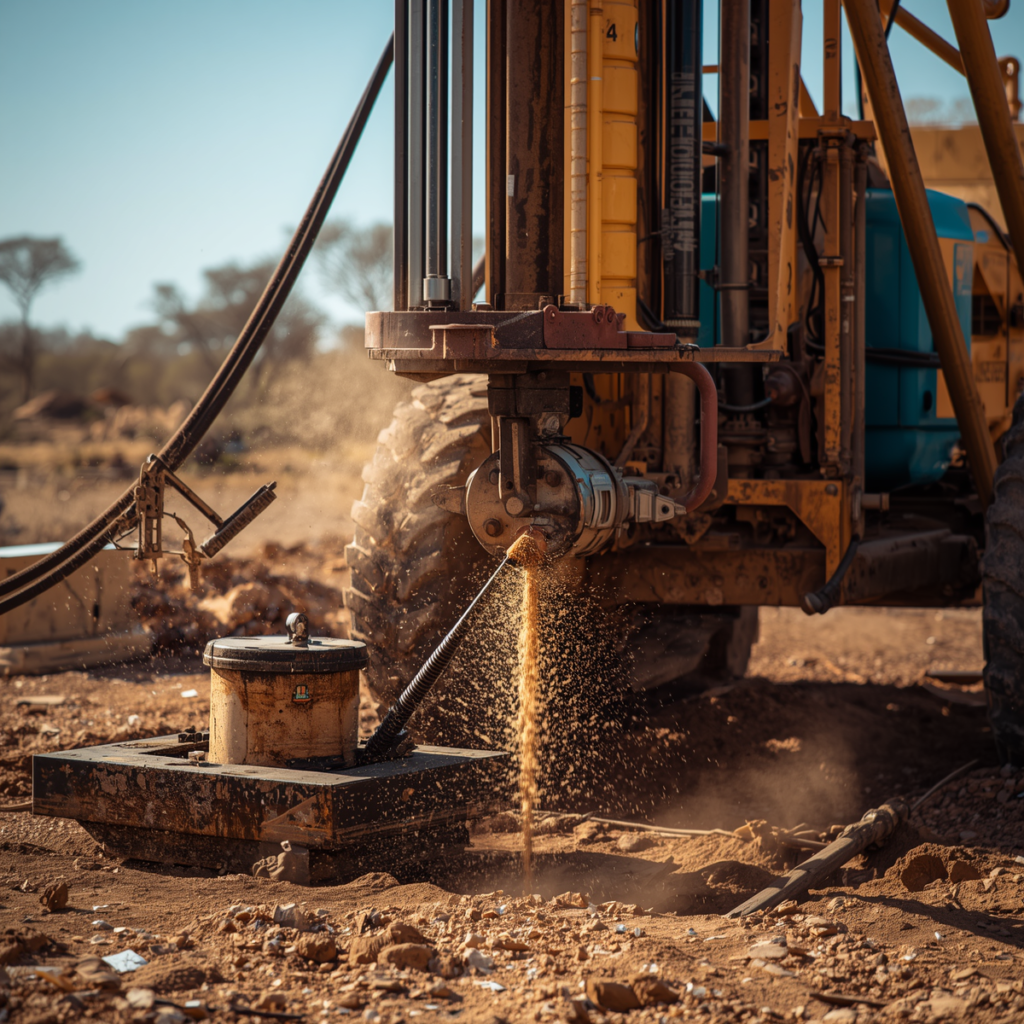
Borewell Point Marking Near Me
Finding the correct borewell location is one of the most important steps before drilling. In many areas of Tamil Nadu, failed borewells happen because drilling is done without proper groundwater assessment.
Traditionally, some people rely on water divining or dowsing methods. Others prefer scientific groundwater surveys performed by geologists or hydrogeologists. Understanding the difference between these approaches can help property owners make better decisions and reduce drilling risks.
Traditional Water Divining
Traditional divining methods often use rods, coconut techniques, or local experience to identify groundwater locations. These methods are widely practiced in rural areas and are based on belief, observation, and experience.
However, traditional methods usually do not include geological analysis, fracture mapping, soil behavior study, or hydrogeological measurements.
Scientific Groundwater Survey
Scientific groundwater surveys use:
- geological observation
- rock fracture analysis
- terrain study
- groundwater movement patterns
- nearby borewell data
This helps improve the probability of identifying productive groundwater zones.
Which Method Is Better?
Scientific surveys provide measurable geological reasoning and reduce uncertainty compared to purely traditional methods. However, groundwater availability also depends on seasonal recharge, local geology, drilling depth, and regional water conditions.
Common Borewell Mistakes
- drilling without survey
- ignoring nearby borewell history
- selecting lowest-cost drilling only
- poor rainwater recharge planning
Conclusion
Professional groundwater assessment helps improve planning and reduce unnecessary drilling expenses. Proper site analysis can save both time and money before borewell drilling.